Richmond VA Traffic Control System Case Study
The Richmond VA traffic control system project helped the City of Richmond, Virginia improve signal coordination and traffic operations throughout the downtown and surrounding corridors. Because travel demand was increasing, the city needed a modern way to manage signals and respond to changing conditions. Therefore, Richmond selected a centralized traffic management solution to support better signal timing and network performance.
Project Background
Richmond’s traffic network includes major arterial and collector roads that connect to regional highways. Because congestion and peak volumes were affecting travel reliability, the city sought a system that could adjust signal timing more effectively. In addition, city engineers wanted better visibility into real-time performance data to support informed decision-making.
Centralized Traffic Management Deployment
To meet these goals, Econolite deployed the Centracs® Advanced Traffic Management System (ATMS). This system gives Richmond traffic engineers centralized control of signal timing, performance dashboards, and reporting tools. As a result, operators now have a clearer view of network performance and can adjust timing plans quickly when conditions change.
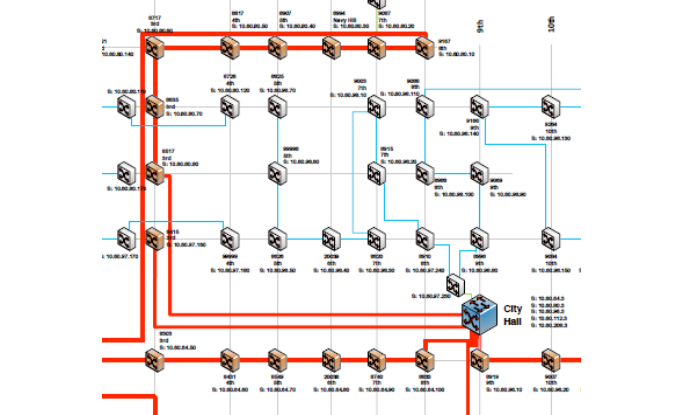
In addition to the ATMS platform, the project included upgrades to field infrastructure. This work included modern traffic signal controllers and improved communication links between intersections and the central system. Because these upgrades improve data flow, the city now receives more reliable information for signal decisions.
Key Features of the Richmond VA Traffic Control System
- Centralized signal timing and control via Centracs® ATMS
- Upgraded traffic signal controllers
- Improved communications infrastructure
- Real-time visibility and performance dashboards
- Data tools for planning and analysis
Operational Benefits
As a result of the Richmond VA traffic control system deployment, the city has seen several improvements:
- Better coordination across major corridors
- Improved responsiveness to changing traffic
- Reduced delays during peak and off-peak times
- Greater visibility into real-time operations
- Enhanced support for long-term planning
Overall, this traffic control system upgrade strengthened the City of Richmond’s traffic management capabilities and provided a scalable platform for future improvements.