
ITS Systems Integration
ITS Systems Integration for Smarter Mobility
Without a doubt, Intelligent Transportation System (ITS) Systems integration is essential for shaping mobility. By unifying sensors, communication networks, and software platforms, integrated ITS solutions enable Dynamic Multimodal Network Management. This seamless ITS connectivity helps optimize mobility. It also ensures mobility is delivering a safer and more sustainable Smart City ecosystem.
ITS integration services empower agencies to break down silos between technologies. This helps intelligent transportation systems respond dynamically to changing conditions. It also better prepares municipalities for evolving transportation needs. From optimizing signal timing to a connected vehicle management, integrated systems provide the agility and insight needed for modern mobility.
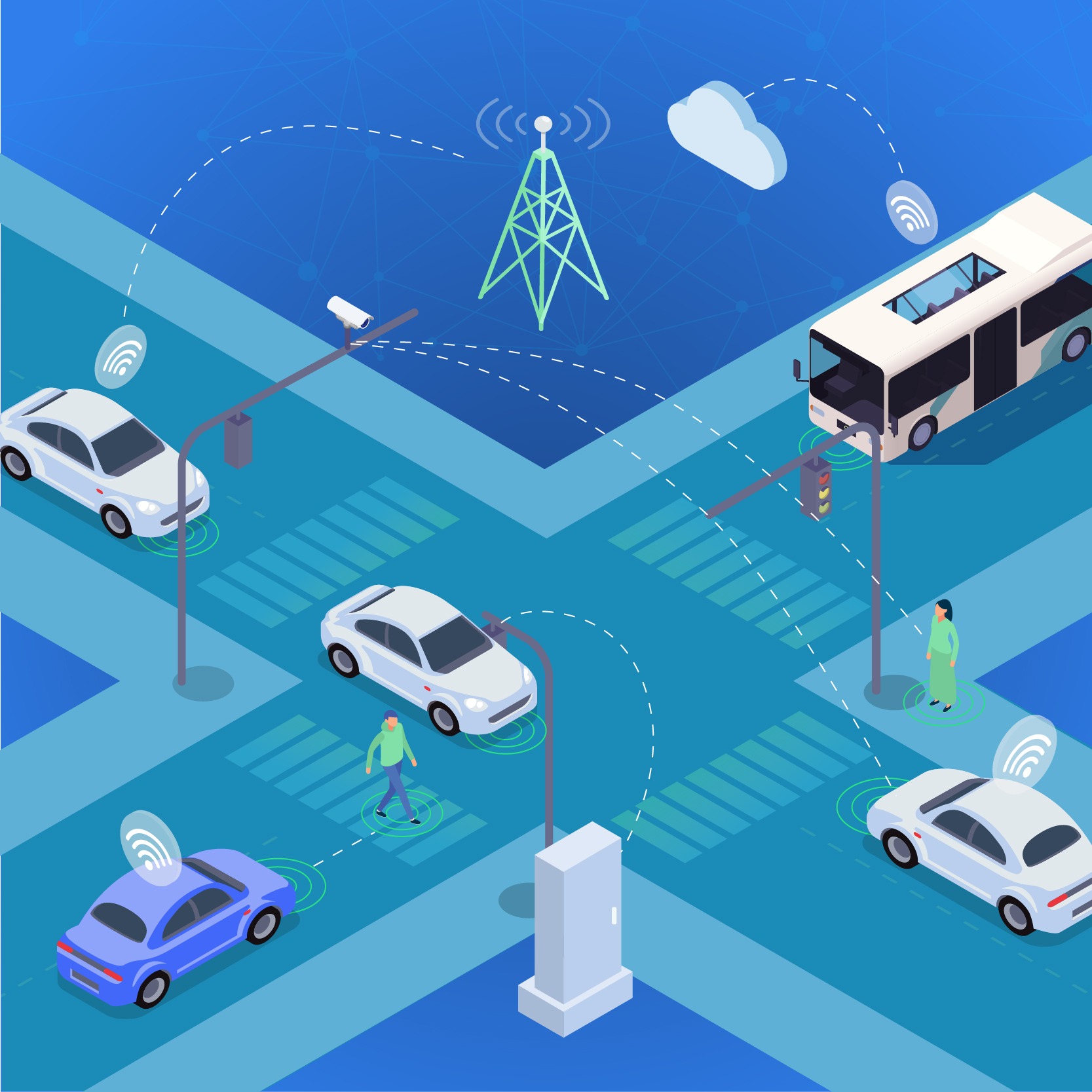
Understanding Intelligent Transportation Systems (ITS) Integration
What ITS Systems Integration Is
ITS Systems Integration refers to the process of combining diverse ITS and traffic control technologies into a more unified, intelligent transportation system. An integrated ITS enables municipalities and transportation agencies to manage data and traffic more efficiently. Ultimately, this helps improve safety and supports smart mobility initiatives.
By leveraging ITS integration services, agencies can ensure that all ITS components work seamlessly together. This integration is essential for aggregating usable data sets. This fosters a more responsive and adaptive intelligent traffic management system that meets the rapidly evolving demands of mobility. From optimizing signal timing to connected vehicle management, integrated systems provide the agility and insight needed for modern mobility.
The future of transportation depends on scalable, data-driven solutions. Intelligent transportation systems help lay the groundwork for adopting emerging technologies. With ITS Systems Integration, cities can transition from reactive traffic management to a Dynamic Multimodal Network Management strategy.
Why ITS Integration Matters for Modern Mobility
ITS transportation plays a critical role in addressing safety and sustainability. Without ITS integration, traffic technologies tend to operate independently, limiting their overall effectiveness. A well-integrated system enables real-time data sharing. This facilitates coordinated signal timing and proactive incident response.
Intelligent traffic management systems for smart cities are foundational to achieving goals like Vision Zero. It also helps municipalities prepare for modal shifts and emerging micro mobility applications such as Mobility as a Service (MaaS). ITS integration empowers agencies to make data-driven decisions, optimize operations, and deliver better outcomes for travelers.
Key Components of an Integrated ITS Solution
Traffic Control Systems
Smart traffic management system depends on the traffic signals and controllers at the intersection. These devices regulate vehicle and pedestrian movement, and when integrated, they enable corridor-wide signal coordination and adaptive, and eventually predictive timing strategies. Intelligent traffic signal integration ensures that signals can respond dynamically to changing traffic conditions, improving travel times and reducing safety risks.
Detection and Sensor Networks
Detection technologies, including cameras, radar, and inductive loop sensors collect real-time traffic data. These sensor networks are vital for establishing situational awareness. This directly supports automated traffic control of connected vehicles. When integrated, these systems provide the high-resolution data necessary for dynamic multimodal management of the roadways.
Communication Infrastructure
Robust and reliable communication networks are essential to centralized traffic management centers. This infrastructure is the backbone of ITS integration, enabling continuous data exchange and remote device control. Reliable communication ensures that all components of the intelligent transportation system operate cohesively and in real time.
Central Management Software
Advanced Traffic Management Systems (ATMS) and Traffic Management Centers (TMCs) are the command hubs for integrated ITS. These hubs contain the platforms necessary to aggregate data, manage devices, and support analytics. ATMS such as the industry-leading Centracs® Mobility ATMS enable municipalities and traffic departments to monitor system performance, implement signal control programs, and coordinate with emergency services.
Traveler Information Systems
Dynamic message signs, mobile traveler apps, and data-sharing platforms provide real-time information to roadway users. These traveler information systems enhance situational awareness, reducing uncertainty and supporting informed travel choices. Integrated traveler information systems contribute to safety by alerting roadway users to hazards and road closures.
Benefits of ITS Systems Integration
Improved Traffic Flow and Reduced Congestion
Integrated ITS solutions can optimize signal timing across an entire roadway network. This helps to reduce stop-and-go conditions and improving overall travel times. Coordinated control strategies minimize bottlenecks and enhance throughput. This leads to a more efficient intelligent traffic management system that adapts to real-time conditions.
Enhanced Safety and Incident Response
Real-time monitoring and automated alerts enable quicker detection of incidents and the subsequent coordination with emergency responders. This reduces response times, which saves lives. Integrated systems improve situational awareness and increase intersection safety. This contributes to safer roadways for first responders and roadway users. As a result, it also supports Vision Zero initiatives.
Operational Efficiency and Cost Savings
ITS integration streamlines operations by establishing smart automation. It can identify and automate routine tasks and triggering adaptive control applications. This helps cities maximize investments in Smart City infrastructure investment. Over time, integrated systems support sustainability and improved ROI objectives.
Data-Driven Decision Making
Integrated ITS platforms generate rich datasets that quantify and report measurable operational performance. This supports long-term planning and policy development. Municipalities can leverage the economies of scale that integrated systems provide to analyze trends, model scenarios, and make more informed decisions. This data-centric approach enhances transparency and accountability in transportation systems engineering planning.
Challenges in ITS Integration and How to Overcome Them
Interoperability and Standards Compliance
One of the biggest challenges in ITS integration is ensuring that devices from different vendors, as well as legacy equipment, can communicate effectively. Adhering to standards like NTCIP is essential for interoperability. Municipalities should prioritize open architecture and standards-based procurement to avoid vendor propriety lock-in. This ensures long-term compatibility and is critically important for data access and shareability.
Integrating Legacy Systems with New Technology
All cities and transportation agencies operate a level of legacy infrastructure that may not be immediately compatible with modern ITS components. Upgrading these systems requires careful planning and phased implementation. ITS integration services can help bridge technology gaps. It can retrofit older devices and/or implement connectivity solutions that ensure effective operation across different equipment and manufacturers.
Scalability and Future-Proofing
As municipalities deploy more smart infrastructure, ITS systems must be built upon a scalable and flexible platform. Designing for future expansion and emerging technologies such as connected vehicle integration, is critical for the future of mobility. Adopting modular architecture and open-source software platforms are key for Dynamic Multimodal Network Management.
Cybersecurity and Reliability
Integrated ITS networks can be vulnerable to cyber threats and system failures. Ensuring 24/7 uptime and data protection requires robust cybersecurity measures and redundant systems. Transportation agencies should implement best practices in network security, device authentication, and system monitoring. In addition, they should consider an ITS integrator’s cybersecurity best practices and SOC 2 and SOC 3 data security compliance.
Role of Managed Services and Engineering Expertise in ITS Integration
Comprehensive System Design and Planning
Successful ITS integration begins with expert system design and planning. Transportation systems engineering professionals assess needs, define requirements, and develop integration strategies. This upfront investment ensures that all components align with interoperability goals and city ITS objectives. Learn more about Econolite’s Engineering Services, please click here.
Turnkey Deployment and Testing
Managed services providers oversee the installation, configuration, and testing of ITS components. Turnkey deployment ensures that systems are properly integrated and fully operational from day one. Comprehensive testing validates performance and minimizes post-deployment issues.
Ongoing Maintenance and Support
Integrated ITS systems require continuous monitoring for making smart upgrades. Managed services offer proactive support to make rapid repairs. It also better manages deployed product lifecycles. Econolite ensures optimal performance and extends the life of the ITS system and devices. To request more information about our ITS support services, please click here.
For a detailed look at our Field and ITS Maintenance Services, please click here.
Training and Knowledge Transfer
Transportation agencies must be equipped to operate and maintain their ITS systems. Training programs and documentation support knowledge transfer and empower staff. This builds internal capacity and reduces reliance on external vendors. For more information about Econolite’s training services, visit the Econolite Learning Center
ITS Systems Integration Trends
Connected Vehicle Integration
Connected vehicle integration is transforming traffic management by enabling real-time communication between vehicles and infrastructure via Vehicles-to-Everything (V2X) communications. This enhances safety, efficiency, and responsiveness. ITS systems must evolve to incorporate these technologies and support autonomous and semi-autonomous vehicles.
Smart Cities and Multimodal Integration
Smart Cities require integrated traffic systems that connect with transit, active mobility users, and MaaS applications. Smart City traffic integration supports equitable mobility goals and reduces reliance on single-occupancy vehicles. Multimodal coordination improves accessibility and sustainability.
AI and Data Analytics in Traffic Management
Artificial Intelligence (AI) and big data analytics are revolutionizing ITS and smart infrastructure. Machine learning algorithms can help forecast congestion and risks. This can be applied to trigger applications that automatically optimize signal timing and detect anomalies. These technologies enable Dynamic Multimodal Network Management.
Sustainable and Green Mobility Initiatives
ITS integration supports environmental goals by reducing idling, improving fuel efficiency, and fostering eco-friendly travel modes. Green mobility initiatives benefit from coordinated traffic systems and real-time data. Integrated ITS is a key enabler of sustainable urban development and equitable mobility.
Econolite: Leading the Way in ITS Systems Integration
Comprehensive Portfolio of Solutions
With nearly 100 years of experience, Econolite is a pioneer in traffic management technology and ITS systems integration. We have consistently delivered innovative solutions that shape the future of mobility. Econolite’s legacy of excellence makes it a trusted partner for ITS integration.
Econolite offers a comprehensive suite of products and services. We offer all the solutions needed for the intersection, as well as leading-edge software platforms and managed services. This end-to-end portfolio simplifies integration and ensures interoperability.
Find out more about our ITS Systems Integration services.
Proven ITS Integration Successes
Econolite has successfully delivered ITS integration projects across cities and regions. These deployments demonstrate the company’s ability to manage complexity, deliver results, and exceed expectations.
Case studies highlight improvements in traffic flow, safety, and operational efficiency. A few examples include:
- I-275 Integrated Corridor Management (ICM), Hillsborough County, FL
- Automated Signal Performance Measures Project, San Jose, CA
- EVP and Transit Signal Priority Integration, Tulsa, OK
- Michigan State Central Signal Control System, Phases 1-2
To learn more about our case studies, please click here.
Commitment to Safety, Efficiency, and Support
Econolite is committed to helping its customers build the most capable intelligent traffic management systems for Smart Cities. We prioritize quality, customer support, and continuous innovation. This dedication ensures long-term success for a more sustainable mobility ecosystem. To learn more about our commitment to integrating Environmental, Social, and Governance initiatives, click here.
Building Safer, Smarter Mobility Through Integration
Integrated ITS solutions are essential for the future of mobility. They improve transportation efficiencies and enhance safety. They also support Smart City sustainability. By leveraging ITS integration services, municipalities can transform their infrastructure and deliver better quality of life outcomes for their constituents.
Econolite stands ready to support this journey with decades of proven expertise, comprehensive solutions, and a commitment to excellence. Econolite is ready to help you achieve your goals through intelligent integration.
0
+ cabinets
0
+ Traffic Controllers
0
+ Systems Deployed
0
+ Sensors Installed