
Intelligent Signal Control
Intelligent Signal Control in Smart Cities: Adaptive and Priority-Based Traffic Management
As traffic volumes grow and transportation networks become more complex, traditional traffic signals with fixed timing plans are no longer sufficient. Intelligent signal control systems use adaptive algorithms and real-time data to optimize traffic flow, reduce congestion, and enhance mobility. These Smart City solutions prioritize emergency vehicles, transit, and pedestrians while dynamically adjusting signal timing based on current conditions. By integrating connected infrastructure and advanced traffic analytics, adaptive and priority-based traffic management improves safety, sustainability, and travel efficiency. By implementing intelligent traffic signals, Smart Cities are paving the way for smarter, more responsive mobility.

The Evolving Need for Smart Traffic Signals
From Fixed Timing to Dynamic Adaptive Control
Adaptive traffic signal control and traffic proactive have emerged as transformative smart traffic signals solutions. Unlike traditional fixed time or static traffic signal programming systems, dynamic adaptive signal control adjusts signal timings based on live and historical traffic data. This can be leveraged as part of a continuous traffic signal optimization strategy.
Smart traffic signals leverage sensor data, cameras, and Connected and Automated Vehicle (CAV) technologies to monitor traffic volumes, speeds, and patterns. This situational awareness of the roadway enables real-time responsiveness or even predictive capabilities. This, in turn, allows municipalities to manage congestion proactively, rather than reactively. The shift from fixed to adaptive systems marks a critical benchmark in intelligent traffic control systems, aligning with broader Smart City traffic management goals of Dynamic Multimodal Network Management.
Proactive vs. Reactive
Shift from static timing plans to real-time responsiveness powered by live sensor data and CAV integration.
“Green Waves”
Corridor Optimization
Impact on Urban Mobility and Congestion
Traffic congestion costs U.S. drivers billions of dollars annually in lost time and wasted fuel. Intelligent traffic signals help mitigate these losses by optimizing signal phases to reduce travel times and stop-and-go conditions. In corridors or arterials with high traffic volumes, adaptive systems can synchronize intersections to create “green waves,” allowing vehicles to move smoothly through multiple signals.
This optimization enhances smart city mobility, supporting more efficient travel for commuters, freight, and public transit. By reducing idle times and improving vehicle throughput, adaptive signals can contribute to cleaner air and more sustainable mobility.
Safety and Environmental Benefits
Beyond operational efficiencies, adaptive signal control can improve safety and mitigate risks. By minimizing erratic stops and starts, it reduces rear-end collisions and active mobility conflicts. Smart intersections equipped with advanced sensors can detect vulnerable road users and dynamically adjust signals to protect them.
Environmental benefits are equally compelling. Reduced vehicle idle times and reduced travel times lower greenhouse gas emissions and other vehicle-born pollution. Cities implementing traffic signal optimization report measurable improvements in reduced carbon emissions, fuel consumption, and accidents. This aligns with Smart City mobility goals and initiatives.
✓ Reduced Rear-End Collisions
✓ VRU Protection & Detection
✓ Lower GHG & Idle Emissions
How Adaptive Signal Control Works
Sensors, Data, and Real-Time Optimization
At the heart of adaptive systems are detection sensors: inductive loops, radar, HD video, personal mobile devices, and connected vehicle inputs that provide real-time situational awareness. This data feeds into ATMS platforms to dynamically adjust signal timing programs.
V2X and DSRC communications enable direct vehicle-to-infrastructure data sharing, unlocking precise signal adjustments essential for Smart City optimization and Vision Zero safety goals.
Coordinating Corridors and Intersections
Adaptive control extends beyond isolated intersections across entire corridors and arterial networks, coordinating multiple signals to optimize traffic flow across complex urban environments.
ATMS platforms prioritize high-demand movements like peak-hour commuter flows or transit routes while maintaining overall network balance for a more resilient traffic ecosystem.
AI and Predictive Algorithms
Machine learning algorithms analyze historical and live data to predict congestion patterns—such as rush hours or special events—and proactively adjust signal plans before delays happen.
Cities can choose between rule-based logic or dynamic AI learning models, tailoring automation solutions to specific urban or suburban corridor needs.
Prioritizing Critical Movements and Modes
TSP & EVP PREEMPTION
Transit and Emergency Priority
Transit Signal Priority (TSP) extends green lights for buses and light rail to improve headway and schedule reliability. Emergency Vehicle Preemption (EVP) detects approaching emergency vehicles to grant green lights at intersections.
Advanced EVP leverages AI and CAD/AVL integration for dynamic route-based priority, reducing response times to save lives and protect property.
MULTIMODAL SAFETY
Balancing Multimodal Needs
Modern cities must accommodate diverse transportation modes and shifting demand patterns. Adaptive systems dynamically adjust signal phases, such as extending pedestrian crossing times during school hours or prioritizing bikes during peak periods.
This multimodal inclusivity fosters equitable, safe, and sustainable mobility as Smart City transportation needs evolve.
DECISION ENGINE
Rule-Based vs. AI Priority
Priority decisions can follow static rule-based logic or AI-driven models that evaluate real-time demand and predicted arrival times. AI models offer dynamic flexibility without requiring manual intervention.
Municipalities can tailor their approach to align with local policy goals, infrastructure capabilities, and community user needs.
Results: Smarter Signals, Better Cities
CASE STUDY HIGHLIGHTS
Proven Real-World Impact
Municipalities are seeing measurable benefits from adaptive signal control. In Honolulu, Hawaii, an Adaptive Traffic Signal Control (ATSC) system reduced travel times by up to 50% on Nimitz Highway/Ala Moana Boulevard. It also helped reduce fuel consumption and carbon emissions by 16%.
In St. Petersburg, Florida, TSP improved SunRunner Bus Rapid Transit (BRT) travel times by 35%, enhancing headway reliability. This helped increase ridership by 70% for Tampa Bay Rays baseball games. Smart City traffic management platforms like these are essential to Dynamic Multimodal Network Management strategies and the future of smart mobility.
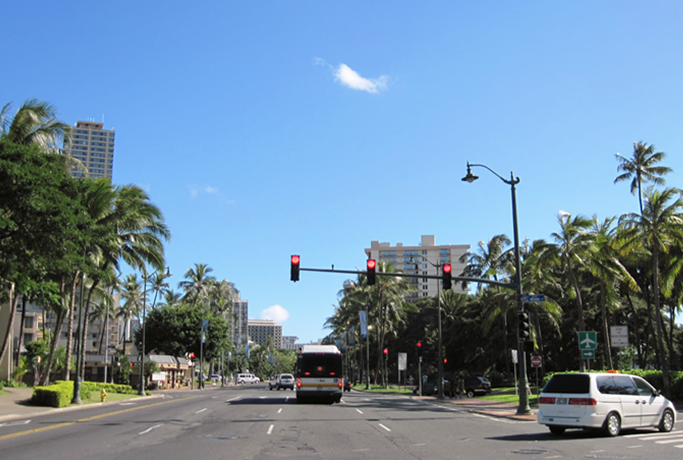
Honolulu, Hawaii
50% Travel Time ReductionNimitz Hwy / Ala Moana Blvd
16% Fuel & Emission CutMeasurable Sustainability Gains

St. Petersburg, Florida
35% Faster BRT TravelSunRunner Transit Priority
70% Ridership SurgeGame-Day Transit Surge
Best Practices for Implementation
Successful deployment requires careful planning across key operational focus areas:

Corridor Studies
Conduct traffic modeling to identify key high-impact arterial corridors.

Data Integrity
Ensure sensor accuracy, continuous calibration, and data quality.

Interoperability
Maintain full compatibility with active traffic management systems.

Workforce Training
Train agency personnel on adaptive traffic control technologies.

Stakeholder Inclusion
Engage transit agencies, emergency services, and key partners.
Public outreach and inclusion are also critical, as well as establishing non-traditional partnerships. Educating communities and residents on the benefits of smart traffic signals can build support and acceptance.
Econolite’s Innovative Solutions for Adaptive Signal Control
Econolite is a leader in intelligent transportation systems, offering cutting-edge solutions for adaptive traffic signal control and traffic signal optimization. Their platforms integrate AI, connected vehicle technology, and multimodal coordination to deliver real-time responsiveness and measurable results. A Sampling of Econolite’s suite of intelligent traffic control products includes the following:
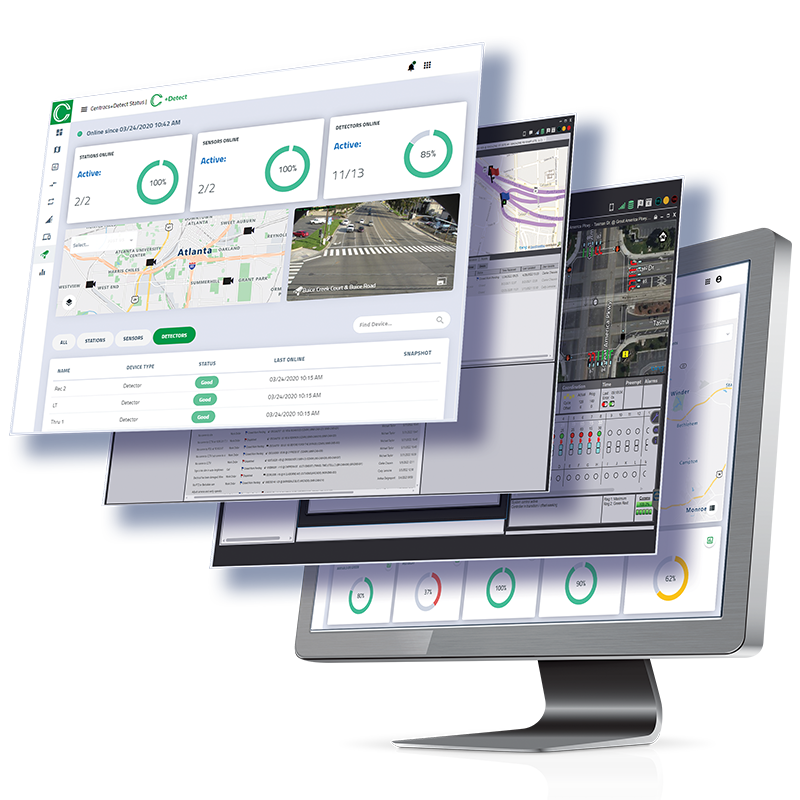
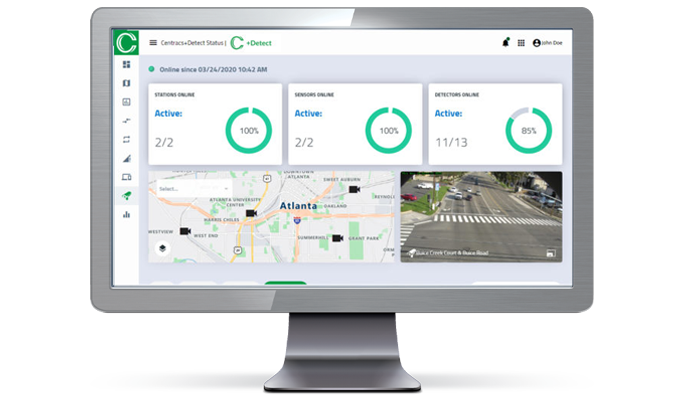
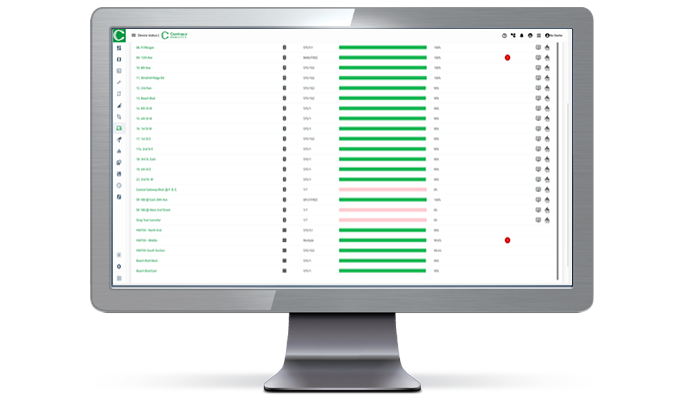
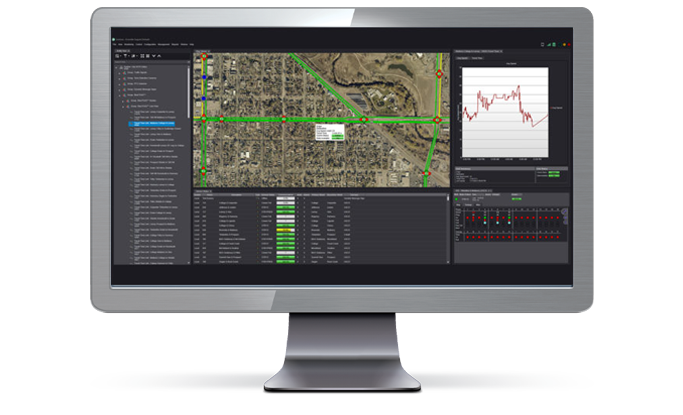
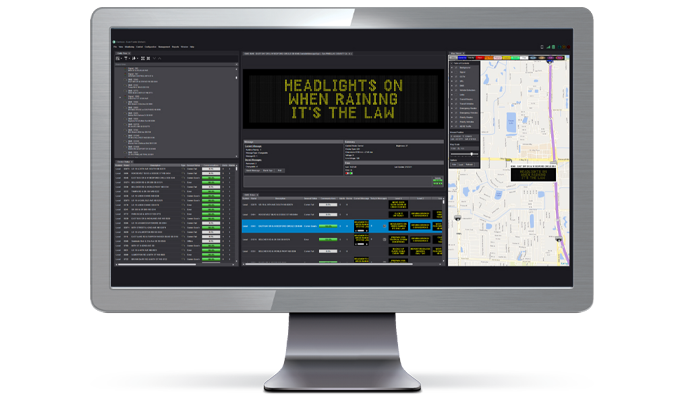
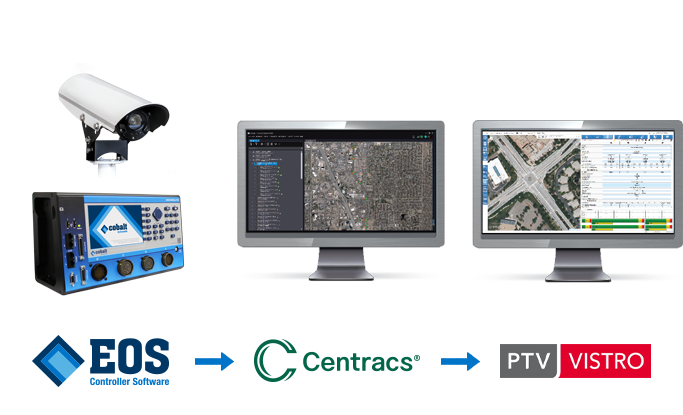
Centracs® ATMS
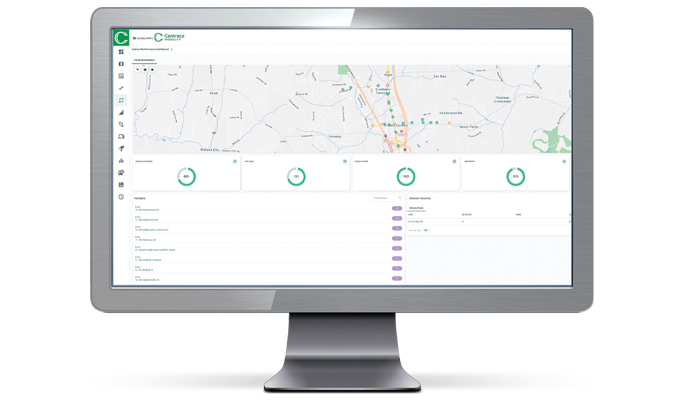
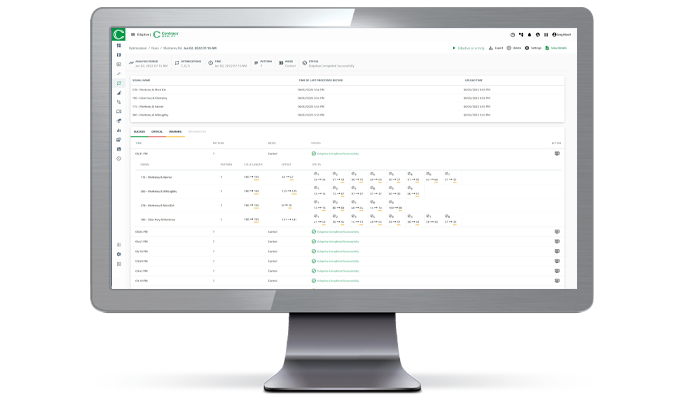
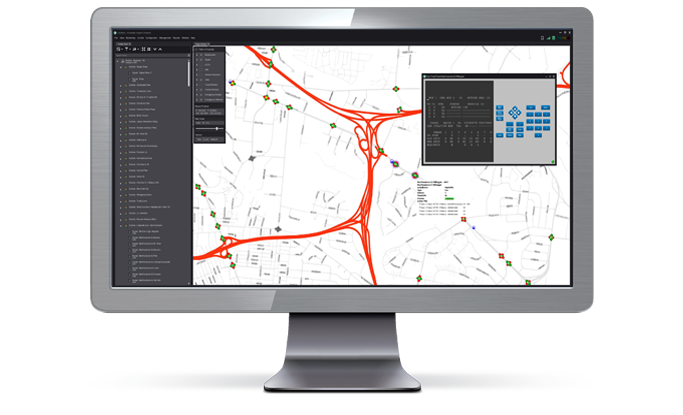
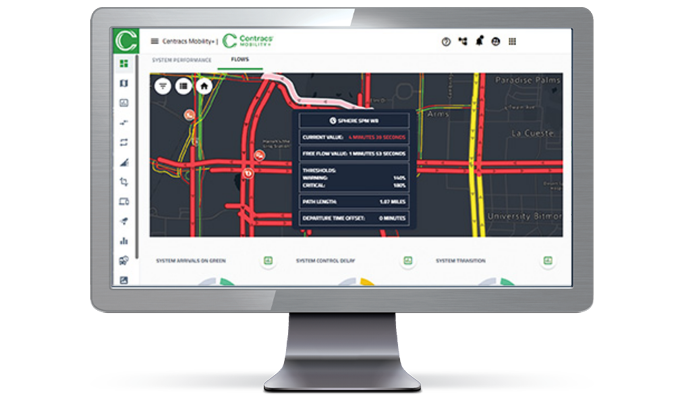
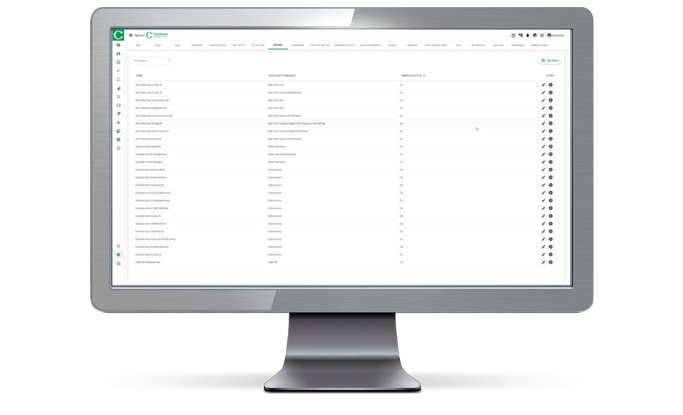
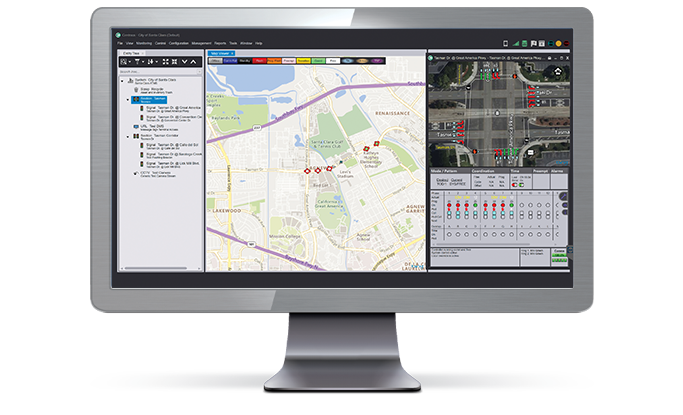
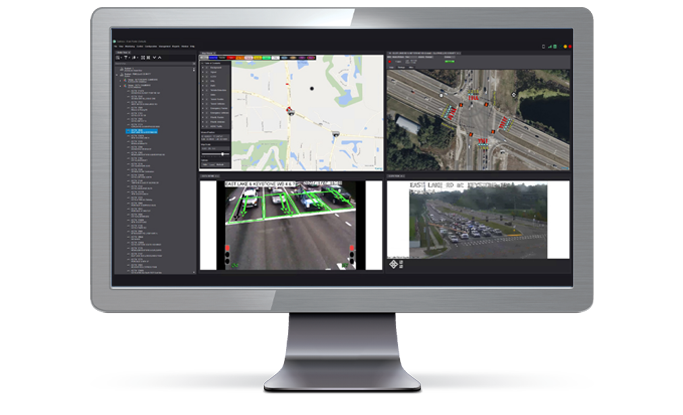
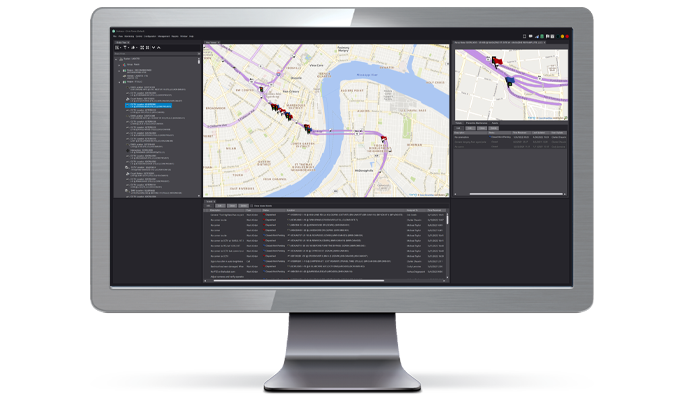
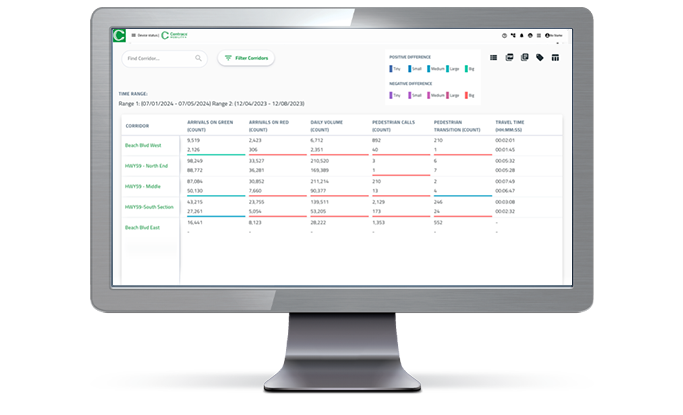
The industry’s leading scalable ATMS platform designed for comprehensive corridor and network-wide traffic optimization. Its advanced modular architecture equips transportation agencies with powerful, real-time capabilities to dynamically adjust signal timing and manage complex urban intersections seamlessly. Essential modules include:
Traffic Detection Sensors
Econolite offers smart HD video and radar sensors for situational awareness and accurate high-resolution roadway data:
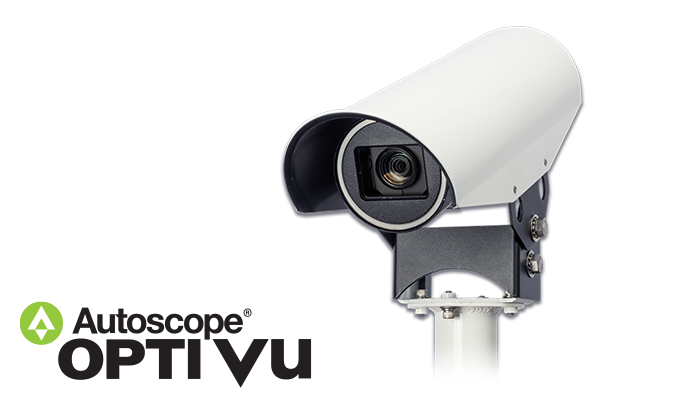
Autoscope® OptiVu
Autoscope OptiVu is taking video detection to new heights by offering the most advanced detection algorithms with Artificial Intelligence (AI) and machine learning on the market today.
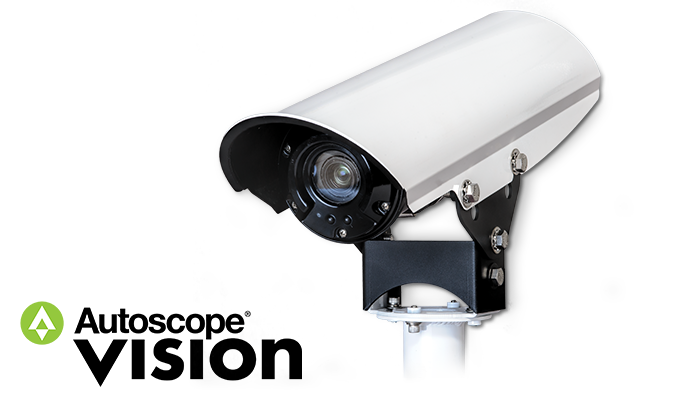
Autoscope® Vision
Leveraging over three decades of unmatched expertise in above-ground video detection, Autoscope Vision offers unparalleled accuracy and performance.

EPIQ RADAR™
EPIQ RADAR, with a built-in HD camera, delivers unmatched detection accuracy and reliability, providing stop bar, advance, departure, bicycle, and pedestrian detection.
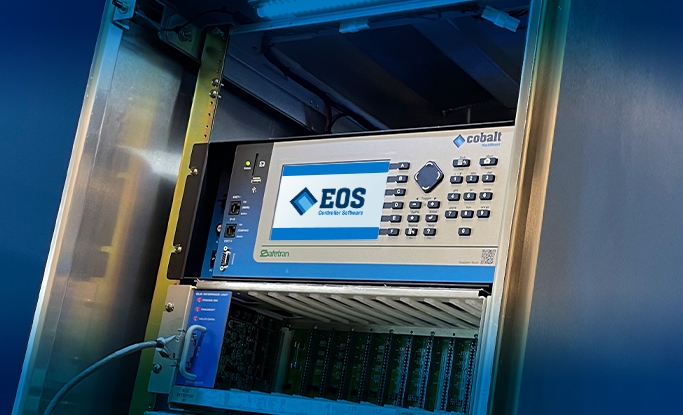
Cobalt® ATC Controllers powered by EOS
The Cobalt Series traffic signal controller is the next generation in ATC, specifically designed for the mobile computing environment. EOS, designed for Cobalt ATC and other properly configured ATC controllers, is Econolite’s breakthrough controller firmware that provides improved core traffic signal controller operation, enhanced features, and improved usability. EOS is ideal for helping prepare transportation agencies, cities, MPOs, and others for support of Connected and Automated Vehicles and Smart City applications.
0
+ cabinets
0
+ Traffic Controllers
0
+ Systems Deployed
0
+ Sensors Installed