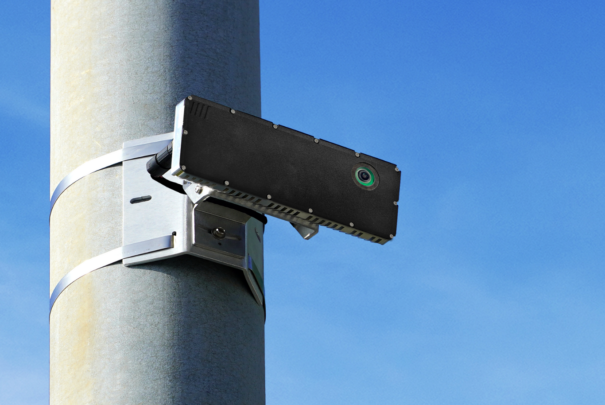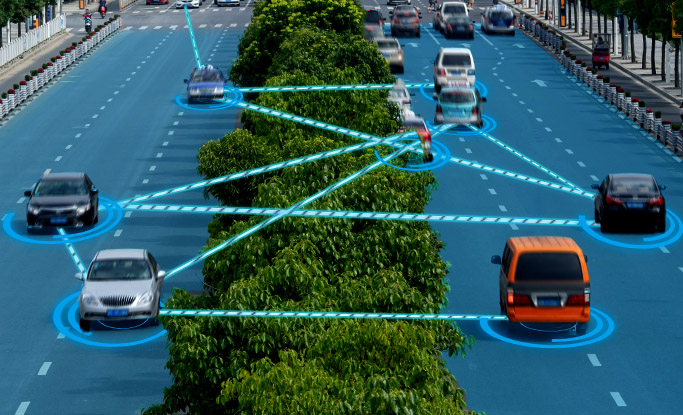
The shift toward a Connected Infrastructure Revolution is essential for modernizing urban transportation after the global pandemic. Specifically, the disruption of traditional traffic patterns highlighted the need for more resilient and adaptive vehicle-to-everything (V2X) technology.
The 2020 pandemic served as a critical turning point for transportation agencies worldwide. As discussed in the September 2020 feature for Traffic Technology International, V2X technology offers an exponential gain in our operational capabilities. This Connected Infrastructure Revolution allows systems to communicate in real-time with vehicles and pedestrians. Because traffic unpredictability has become the new normal, agencies must move beyond legacy systems. Consequently, prioritizing smart infrastructure is no longer an option but a necessity for economic growth.
Core Pillars of the Connected Infrastructure Revolution
Implementing a modern transportation network requires a focus on connectivity and data-driven insights. Specifically, V2X integration allows for smoother traffic flow and significantly improved safety metrics. Because we are dedicated to “Mobility for Humanity,” we focus on providing the tools necessary for this transition. Consequently, focusing on the Connected Infrastructure Revolution highlights several vital technical strategies for success:
Additionally, our focus on cybersecurity ensures that these new, connected systems remain protected from emerging digital threats. By following the principles of the Connected Infrastructure Revolution, agencies can better prepare for long-term shifts in urban mobility. Consequently, we continue to innovate and support the evolving needs of the global transportation community. We invite you to explore how these advancements are creating a more resilient world. Together, we can build a transportation network that is efficient and safe for everyone.