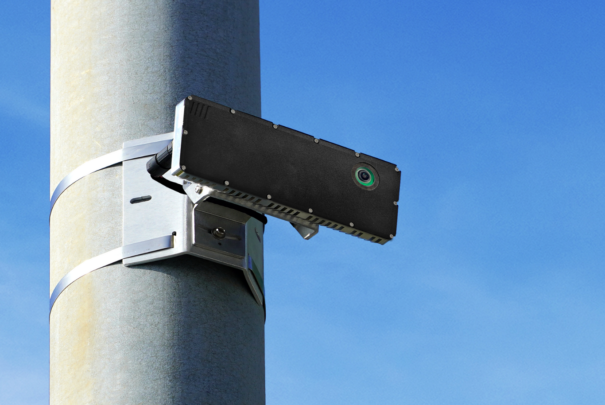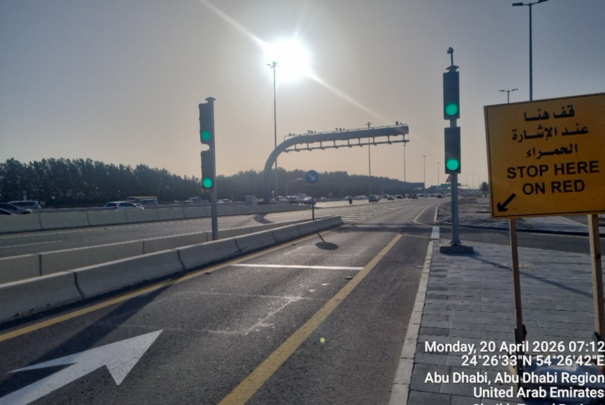
Identifying essential traffic management technology is critical to maintaining a resilient and safe transportation network during global health emergencies. Specifically, our reactions to these challenges will dictate the future of urban mobility and public safety.
During unprecedented times, the definition of “essential” shifts toward maintaining core infrastructure and ensuring the steady flow of goods and emergency services. Consequently, transportation agencies must prioritize tools that allow for remote management and automated adjustments. As we move forward, the focus must remain on providing a “one-stop-shop” for ITS solutions that can adapt to rapid shifts in traffic patterns. Therefore, investing in essential traffic management technology ensures that cities remain functional even when traditional operations are disrupted.
Prioritizing Resilience and Safety
The health of our communities depends on the efficiency of our roadways. Specifically, advanced sensors and cloud-based software enable engineers to monitor intersections from a safe distance. Because we are dedicated to “Mobility for Humanity,” we prioritize the safety of both the public and the technicians who maintain these systems. Consequently, implementing essential traffic management technology provides the following core advantages for resilient cities:
Additionally, we must consider the long-term impacts of these unprecedented times on travel behavior. By following a data-driven approach, agencies can optimize their existing networks to meet new demands. Consequently, we continue to lead the way in providing ITS solutions that ease congestion and improve quality of life. We invite you to explore how these essential tools are safeguarding our collective future. Together, we can build a transportation network that is as resilient as the people it serves.