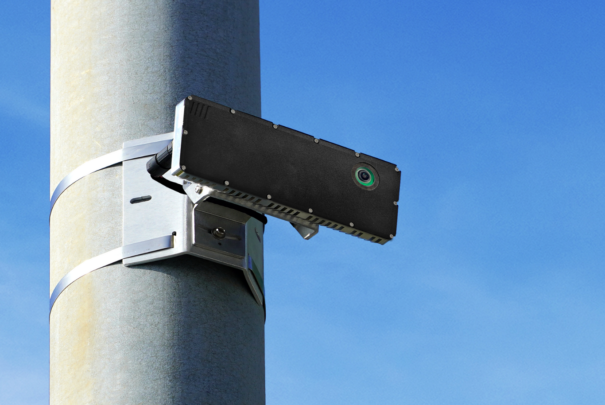
Understanding Post-Pandemic Infrastructure Trends is vital for agencies managing the return of urban congestion. Specifically, the global pandemic highlighted significant unpredictability in traffic patterns that require new technological solutions.
The transition out of initial lockdowns during the summer of 2020 served as a major wake-up call for the transportation industry. As noted in the December 2020 feature for Traffic Technology International, the sudden increase in traffic volumes raised urgent questions about our readiness. These Post-Pandemic Infrastructure Trends suggest that traditional traffic management is no longer sufficient. Instead, we must focus on flexible, data-driven systems that can adapt to rapid changes in human behavior. Consequently, investing in “future-proof” technology is now a primary objective for smart cities.
Key Insights into Post-Pandemic Infrastructure Trends
As traffic patterns continue to evolve, transportation professionals must prioritize agility and real-time data analysis. Specifically, the ability to monitor and respond to fluctuating congestion levels is critical for maintaining safety. Because we are committed to “Mobility for Humanity,” our focus is on providing the tools necessary to navigate this new landscape. Consequently, focusing on Post-Pandemic Infrastructure Trends reveals several essential technical strategies:
Additionally, our focus on cybersecurity ensures that these new, connected systems remain protected as they become more complex. By following Post-Pandemic Infrastructure Trends, agencies can better prepare for the long-term shifts in urban mobility. Consequently, we continue to innovate and support the evolving needs of the global transportation community. We invite you to explore the full article to learn more about how we are shaping the future of infrastructure. Together, we can create a transportation network that is resilient, efficient, and safe for everyone.