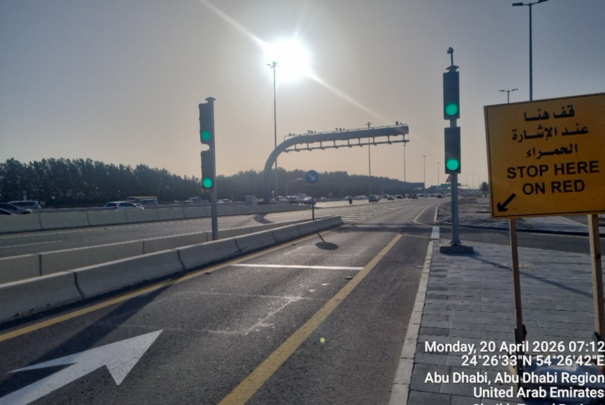
The implementation of Signal Performance Measures Optimization in Fort Collins has transformed how the city manages its dynamic traffic conditions. Specifically, this cloud-based solution allows the Traffic Operations Department to verify roadway conditions in real-time.
With a 45-percent population growth over several decades, Fort Collins faced significant congestion at its busiest intersections. Consequently, the city required a robust way to analyze vehicle counts exceeding 75,000 per day. Traditionally, the department relied on offline models and limited datasets. However, the adoption of Signal Performance Measures Optimization has introduced a more data-driven approach. This transition ensures that signal timing plans are accurate and responsive to current demand. Therefore, the city is better prepared for both pedestrian spikes and heavy vehicle traffic.
Impact of Signal Performance Measures Optimization
Deploying a cloud-based analytics platform allows for high-resolution data collection without the need for time-consuming manual calibration. Specifically, the system utilizes advanced algorithms to maintain smooth traffic flow across key corridors. Because we are dedicated to “Mobility for Humanity,” we focus on tools that provide proactive rather than reactive management. Consequently, focusing on Signal Performance Measures Optimization provides several critical technical advantages:
Additionally, the ability to pinpoint conditions in real-time reduces the need for trial-and-error adjustments in the field. By following these data-driven strategies, Fort Collins can continue to support its expanding population while reducing congestion. Consequently, we continue to lead the advancement of connected mobility and smart city technology. We invite you to learn how these success stories are shaping the future of global infrastructure. Together, we can build safer and more efficient roads for the next generation.